
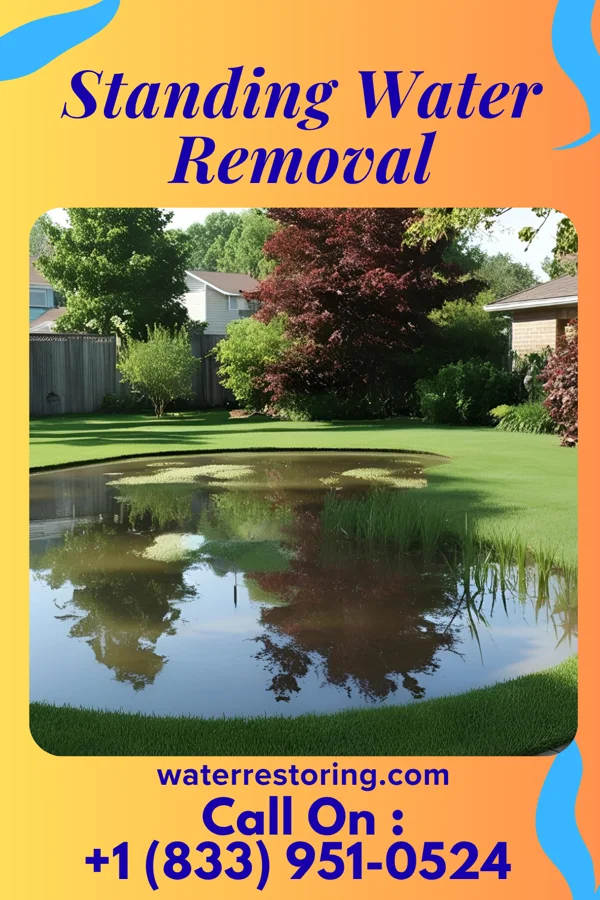
What Makes Charleston Standing-Water-Prone
Living in Charleston means dealing with In Charleston, South Carolina, primary water damage often stems from coastal flooding due to high tides and storm surges, particularly around James Island and Sullivan's Island. Additionally, heavy rainfall during the hurricane season can lead to significant water intrusion in low-lying areas like Hanahan and the Berkeley County coastline. sooner or later. A close second is Secondary causes include plumbing leaks from aging infrastructure in historic homes, backed-up sewer systems in urban areas, and water damage from broken appliances in commercial properties near the harbor. These issues are exacerbated by the region's humid climate and frequent thunderstorms.. The good news: water damage is fully recoverable when you catch it fast and bring in certified technicians.
Charleston's humid subtropical climate, with high humidity and frequent tropical storms, increases the risk of water damage. The city's proximity to the Atlantic Ocean and the Intracoastal Waterway makes it vulnerable to saltwater intrusion, which can accelerate structural decay and mold growth.
Most standing water removal calls in Charleston come from In Charleston, South Carolina, primary water damage often stems from coastal flooding due to high tides and storm surges, particularly around James Island and Sullivan's Island. Additionally, heavy rainfall during the hurricane season can lead to significant water intrusion in low-lying areas like Hanahan and the Berkeley County coastline.. Running a close second is Secondary causes include plumbing leaks from aging infrastructure in historic homes, backed-up sewer systems in urban areas, and water damage from broken appliances in commercial properties near the harbor. These issues are exacerbated by the region's humid climate and frequent thunderstorms.. Local mold risk: In Charleston, mold can develop rapidly due to the high humidity and frequent rainfall, especially in older homes with poor ventilation. Prompt action is critical to prevent long-term health risks and structural damage in coastal neighborhoods like Sullivan's Island and the Isle of Palms.